Keeping your audience interested and involved is key to long-term success. One of the most effective ways to maintain that connection? Newsletters.
A well-crafted newsletter keeps subscribers informed, entertained, and excited about your brand. But consistently coming up with fresh, engaging content can be challenging. And it can get frustrating when open rates drop and even more discouraging when subscribers lose interest.
That’s where this guide comes in. We’ve put together some creative newsletter ideas to help you capture attention, spark conversations, and keep your audience looking forward to every email you send.
Let’s get started!
What is a Newsletter?
A newsletter is a regularly distributed email that keeps your subscribers informed, engaged, and connected with your brand. It typically includes updates, insights, promotions, or valuable content tailored to your audience’s interests.
Unlike promotional emails focusing solely on selling, newsletters aim to build relationships by providing consistent value.
As a key component of an email marketing strategy, newsletters help nurture leads, increase brand awareness, and drive customer loyalty. They serve as a direct channel to your audience, allowing you to share relevant content, promote offers, and encourage engagement—all while staying in their inbox.
Why Do Marketers Need to Create a Newsletter?
1. Direct Audience Connection
Social media platforms and search engines are unpredictable, with ever-changing algorithms that can limit your content’s reach. A newsletter lands directly in your audience’s inbox, giving you full control over how and when your message is delivered. This direct communication channel ensures that your most engaged followers see your content without relying on third-party platforms, and including a link in your newsletter allows you to direct your audience to additional resources or content.
2. Builds Brand Loyalty
Consistency is key to building trust and brand recognition. By delivering valuable, insightful, or entertaining content on a regular basis, your newsletter keeps your brand top-of-mind. Over time, subscribers start seeing your emails as a reliable source of information, strengthening their connection with your brand and increasing their likelihood of becoming long-term customers or supporters.
3. Drives Traffic to Your Content
Whether you publish blog posts, launch new products, or share videos, a newsletter is a powerful way to drive traffic back to your website or platform. Instead of hoping your audience stumbles upon your content elsewhere, you can deliver it straight to them, increasing engagement and boosting your visibility by sharing content your audience will find interesting to increase engagement and click-through rates.
4. Boosts Conversions
A newsletter does more than just inform—it nurtures leads and encourages action. Offering deals and discounts in your newsletter can be a big deal for boosting conversions, as these incentives are proven to drive subscriber engagement and prompt purchases. You can turn passive readers into engaged customers by personalizing content and including compelling calls to action.
5. Cost-Effective Marketing
Unlike paid advertising, newsletters offer an affordable way to maintain engagement and grow your audience. Email marketing consistently delivers one of the highest returns on investment (ROI) among digital marketing channels. With the right strategy, a well-crafted newsletter can generate sales, increase brand awareness, and sustain long-term customer relationships—all without breaking the bank. Just hit send—reaching your audience is that easy and effective.
Types of Newsletters
Newsletters come in many forms, each designed to serve a specific purpose and connect with your audience in unique ways.
- Company Newsletters: These keep your subscribers in the loop about all the latest happenings within your business. From new product launches and upcoming events to employee spotlights and company milestones, company newsletters are perfect for sharing stories that build a sense of community and keep your audience engaged with your brand’s journey.
- Industry Newsletters: If your goal is to position your brand as a trusted resource, industry newsletters are the way to go. They focus on delivering curated news, insights, and trends relevant to your niche, helping your audience stay ahead in their field. By sharing expert analysis and timely updates, you establish your brand as a go-to source for industry knowledge.
- Educational Newsletters: These newsletters are all about providing value through learning. Whether you’re sharing how-tos, tips, or in-depth guides, educational newsletters help your subscribers solve problems and develop new skills. This type of content not only builds trust but also encourages readers to see your brand as an authority in your space.
- Promotional Newsletters: When you want to drive action, promotional newsletters are your best friend. They focus on highlighting special offers, flash sales, or exclusive deals, giving your subscribers a reason to act fast. By providing all the details about your latest products or services, you can boost conversions and keep your audience excited about what’s next.
- Personal Newsletters: Sometimes, the most engaging content comes from sharing personal stories, experiences, or behind-the-scenes moments. Personal newsletters help humanize your brand, allowing you to connect with your audience on a deeper level. Whether it’s a founder’s note or a team member’s story, these emails foster loyalty and make your subscribers feel like part of your journey.
What Makes a Good Newsletter?
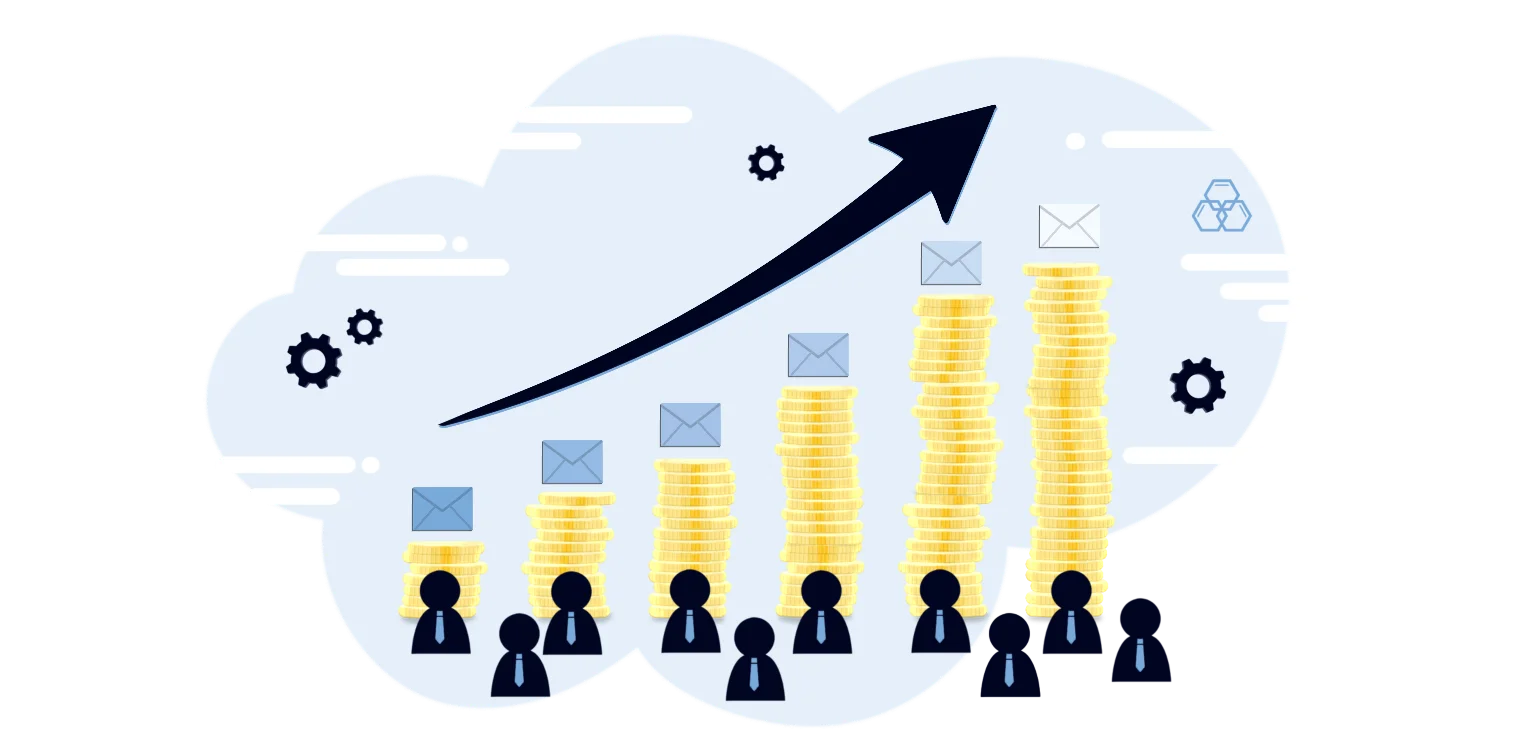
To be successful, a newsletter must engage, inform, and strengthen your brand’s relationship with subscribers. Here are some key factors:
1. Valuable and Relevant Content
A good newsletter provides content that resonates with your audience. Implementing the best newsletter ideas can help ensure your content is valuable and relevant. Whether it’s industry insights, free resources, tools, or exclusive offers, your newsletter should offer real value that keeps readers engaged and looking forward to the following email.
2. Eye-Catching Subject Line
The subject line is the first thing email subscribers see, determining whether they open your email or ignore it. A compelling subject line should be clear, concise, and intriguing—giving readers a reason to click.
3. Clear and Engaging Design
A cluttered, hard-to-read email can turn subscribers away. A well-structured newsletter with a clean layout, easy-to-read fonts, and a visually appealing design enhances the reading experience and keeps your content accessible, creating an engaging experience for your subscribers.
4. Personalization and Segmentation
Subscribers are more likely to engage with emails that feel tailored to them. Using personalization (such as addressing readers by name) and segmentation (grouping subscribers by interests or behavior) ensures your content is relevant to different audience segments.
5. Strong Call-to-Action (CTA)
Every newsletter should have a purpose, whether driving traffic to your website, encouraging downloads, or promoting a product. A clear and compelling CTA guides readers on what to do next, increasing engagement and conversions.
6. Mobile-Friendly Format
A responsive design is essential with most people checking emails on their phones. A good newsletter is optimized for mobile devices, ensuring text, images, and CTAs are easy to view and interact with on any screen.
7. Consistency in Sending
A good newsletter maintains a predictable schedule—whether it’s on a monthly basis, every week, biweekly, or monthly—so subscribers know when to expect it.
Consistency helps build trust and keeps your audience engaged over time.
20 Engaging Newsletter Ideas
Coming up with content ideas and a great newsletter idea can help you write an engaging email newsletter that stands out and connects with your readers. Here are some ideas to get you started:
Content & Educational Newsletters
1. Industry Insights & Trends
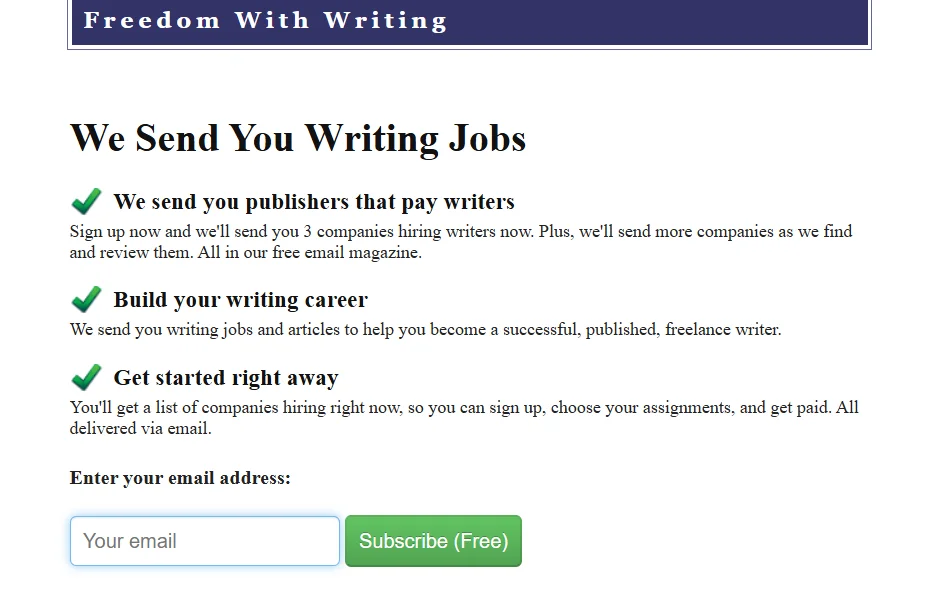
Your subscribers rely on you to stay informed about your latest industry trends and developments. A newsletter highlighting key insights, market shifts, or emerging technologies can position your brand as a go-to resource.
You can include expert opinions, statistics, and curated articles that help your audience stay ahead of the curve.
2. How-To Guides & Tutorials
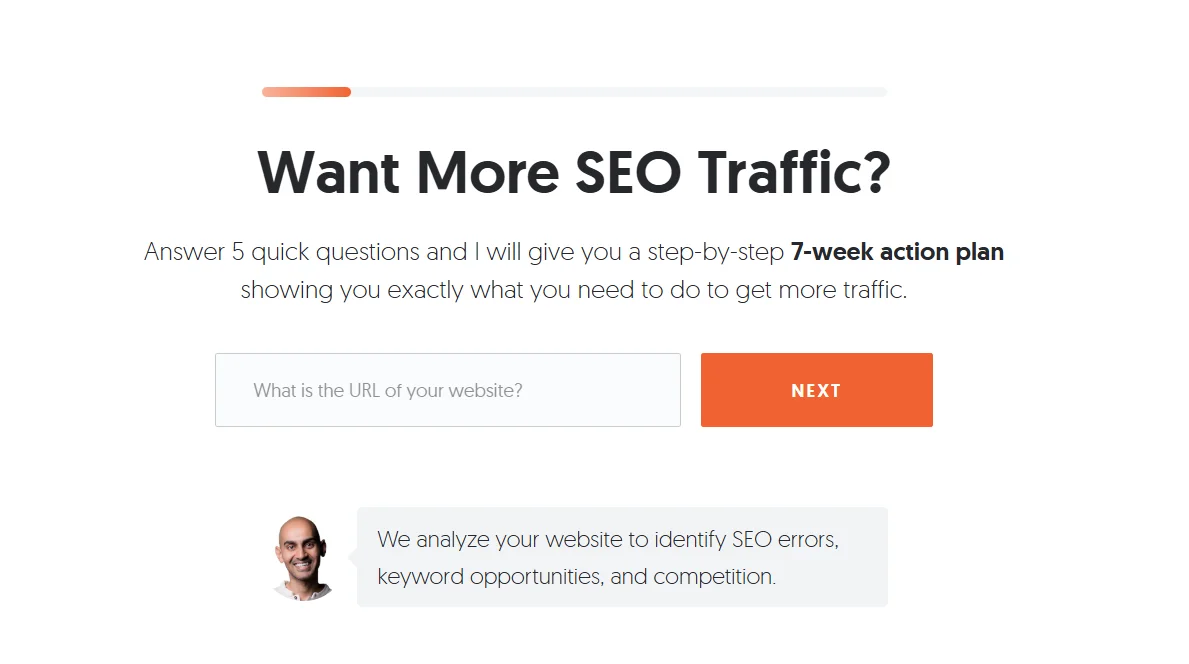
Step-by-step guides and tutorials provide direct value to your subscribers by helping them solve a problem or improve a skill. These can be written guides, video tutorials, or infographics demonstrating best practices, and can be presented in a fun way to make learning more engaging for your audience.
As an example, a marketing agency can put out guides like “How to Optimize Your Website for SEO” or “5 Easy Steps to Improve Your Social Media Strategy,” keeping readers engaged and builds trust.
3. Case Studies & Success Stories
Showcasing real-life success stories helps build credibility and demonstrates the value of your product or service. You provide tangible proof that your brand delivers results by sharing detailed case studies, testimonials, or customer experiences.
Highlight specific challenges, solutions, and outcomes to create compelling storytelling that resonates with your audience.
4. Expert Interviews
Leverage industry experts, influencers, or thought leaders by featuring exclusive interviews in your newsletter. These insights give subscribers valuable knowledge while positioning your brand as well-connected and credible.
The format can be a written Q&A, a recorded podcast, a podcast episode featuring the expert interview, or a summarized discussion with key takeaways.
5. Book or Resource Recommendations
Providing curated lists of books, articles, tools, or courses related to your industry adds extra value to your audience. This helps educate your subscribers and positions your brand as a helpful resource hub.
You can include personal reviews and summaries, or even invite guest experts to suggest their favorite resources, and be sure to feature personal recommendations from your team to build trust and credibility.
Engagement-Boosting Newsletters
6. Q&A Sessions
Encourage direct interaction with your audience by answering frequently asked questions. You can collect questions through social media, surveys, or direct replies to previous emails.
Addressing real concerns and providing thoughtful answers makes your newsletter feel more personal and relevant to your readers. Sometimes, a simple answer is just that—enough to address your readers' concerns.
7. User-Generated Content
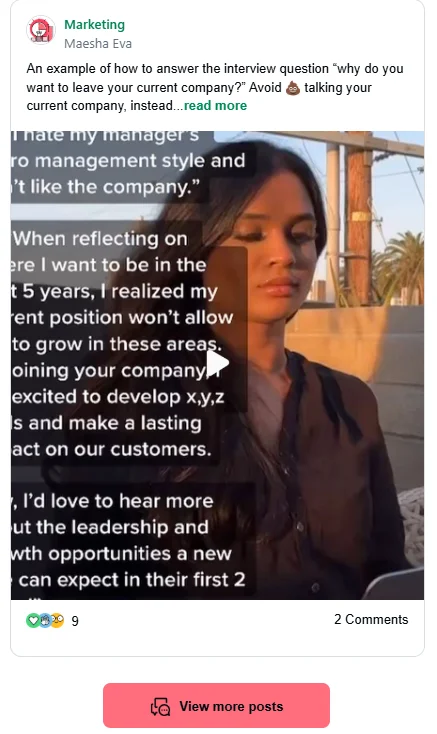
Featuring content your subscribers create—such as testimonials, customer stories, or social media posts—fosters community engagement and trust. You can highlight customer reviews, before-and-after success stories, or user-submitted photos showcasing your product in action.
This engages your audience and encourages others to share their experiences.
8. Polls & Surveys
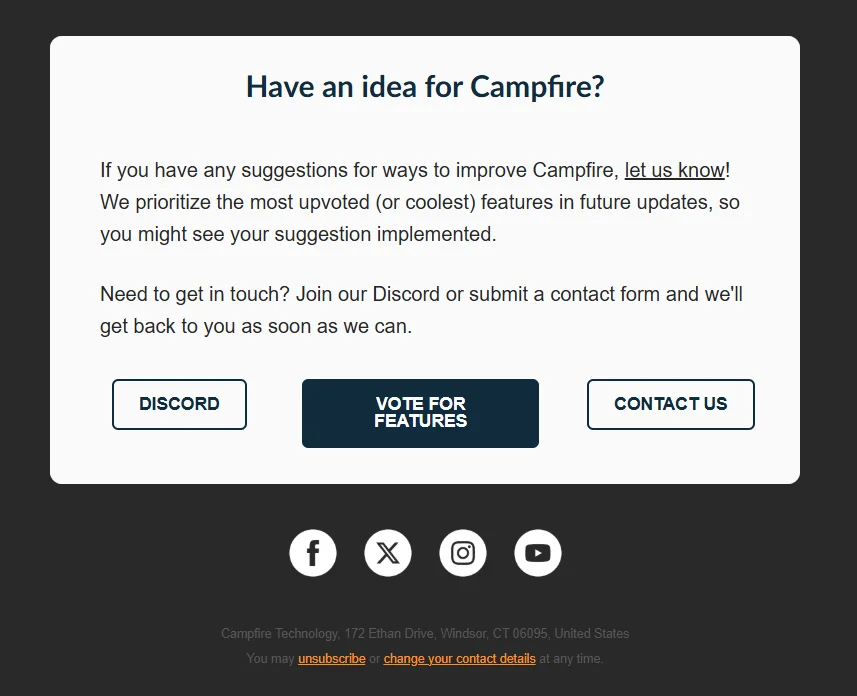
Make your newsletter interactive by including short polls or surveys on relevant topics. Ask for feedback on your latest product, opinions on industry trends, or even fun, lighthearted questions to keep subscribers engaged.
Polls and surveys provide valuable insights while making your audience feel heard and involved.
9. Behind-the-Scenes Content
Give your subscribers an exclusive look at your brand by sharing behind-the-scenes content. This could include company culture highlights, sneak peeks of upcoming projects, or a day-in-the-life feature of your team members.
Personal touches help humanize your brand and create a stronger emotional connection with your audience.
10. Interactive Challenges or Contests
Boost engagement by running fun challenges or contests that encourage audience participation. Whether it’s a photo challenge, a creative competition, or a giveaway, these interactive activities make your newsletter more exciting.
Consider offering a prize or incentive to increase participation and make subscribers eager to open future emails.
Promotional & Sales-Focused Newsletters
11. Exclusive Discounts & Offers
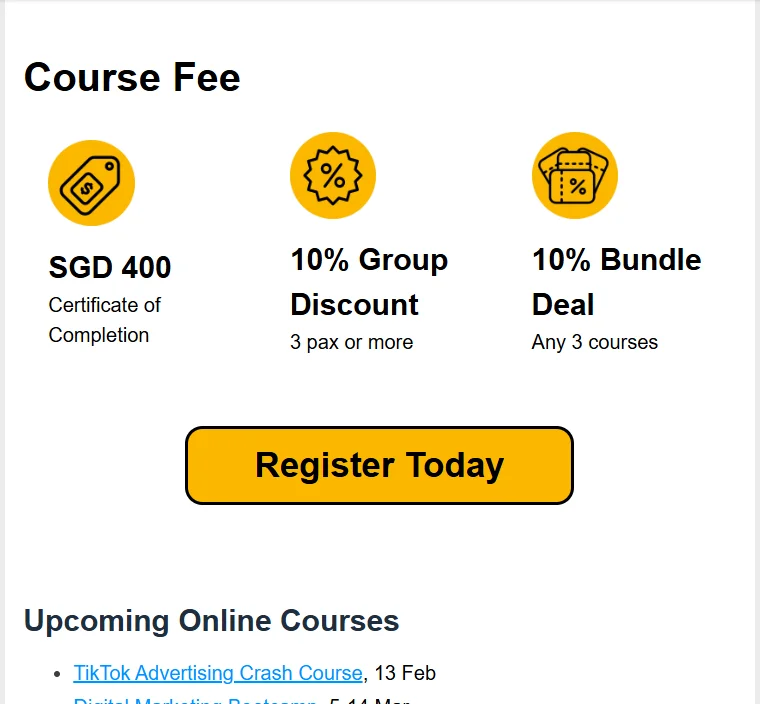
Everyone loves a good deal, and offering exclusive discounts or limited-time promotions through your newsletter is a great way to encourage readers to purchase. Reward your subscribers with early access to sales, special coupon codes, or VIP discounts they can’t find anywhere else.
This increases conversions and makes subscribers feel valued for being part of your community.
12. New Product Announcements
Launching a new product or service? Use your newsletter to create buzz before the official launch. Share behind-the-scenes details, product features, and release dates.
Consider offering loyal subscribers a pre-order option or an exclusive first look, making them feel like insiders.
13. Best-Seller Highlights
Showcasing your top-selling products helps new and returning customers discover what’s popular and worth buying. Create a curated list of customer favorites and include reviews or testimonials reinforcing why these products are in demand.
A well-placed call-to-action (CTA) can direct readers straight to the product page for easy purchase.
14. Seasonal or Holiday Content
Holidays and seasonal events are perfect opportunities to boost engagement and sales. A well-timed holiday email with special promotions, themed product recommendations, or festive content keeps your brand relevant throughout the year.
For example, consider a “12 Days of Deals” series or an exclusive Holiday Gift Guide to make your newsletter more interactive.
15. Abandoned Cart Reminders
A gentle reminder can help recover lost sales. If a subscriber leaves items in their cart without checking out, a well-crafted abandoned cart email can nudge them to complete their purchase.
Offering a small incentive, such as free shipping or a limited-time discount, can further encourage them to take action.
Community & Relationship-Building Newsletters
16. Spotlight a Customer or Team Member
Featuring a loyal customer or a dedicated team member in your newsletter helps build a stronger community around your brand. Customer spotlights showcase real-life experiences with your product or service, while employee features humanize your brand by sharing personal stories, expertise, or behind-the-scenes work.
17. Personalized Milestone Emails
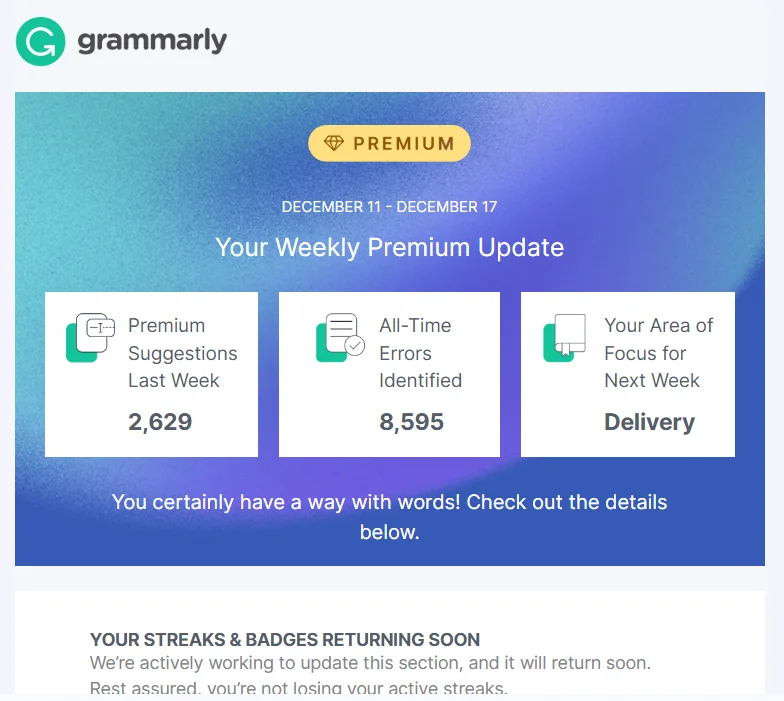
Celebrate important moments with your subscribers! Personalized milestone emails—such as birthday greetings, anniversaries of their first purchase, or loyalty rewards—make subscribers feel appreciated.
Offering a special discount or exclusive content as a gift enhances the personal touch.
18. Company News & Updates
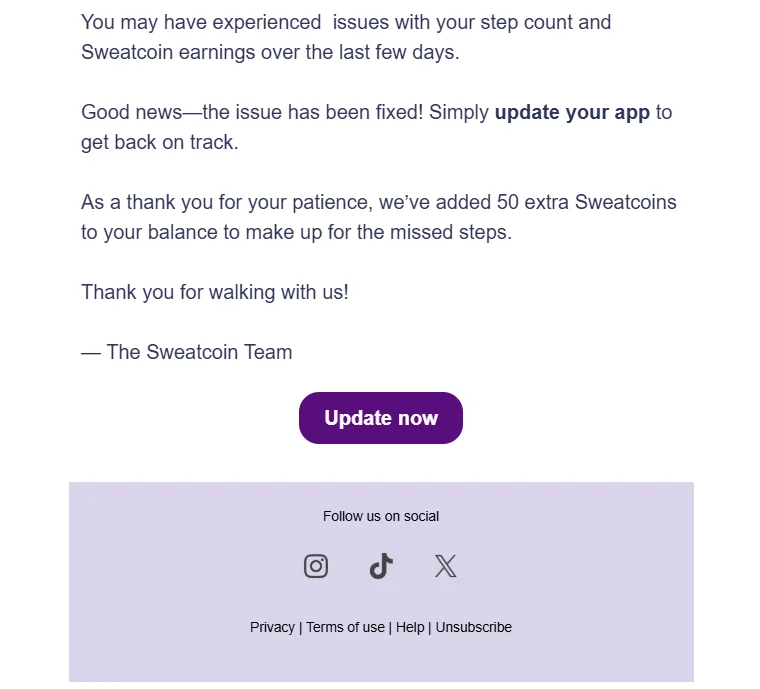
Keep your subscribers informed about what’s happening within your company. Share significant achievements, upcoming events, partnerships, or any exciting developments. This type of transparency builds trust and makes subscribers feel part of your brand’s journey.
19. Weekly or Monthly Recap
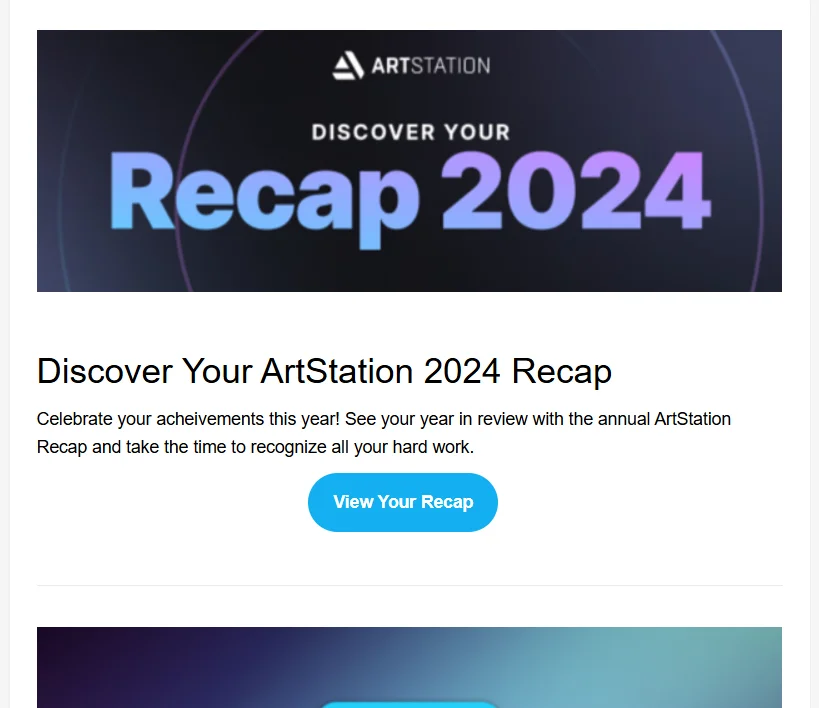
A recap newsletter, such as a weekly newsletter, is a great way to keep your audience engaged without overwhelming them with frequent emails. Whether it’s a summary of your latest blog posts, trending social media content, or recent industry news, a well-organized digest keeps your audience in the loop while reinforcing your brand’s authority. You can also recap highlights from the past year to keep your audience informed about major milestones and achievements.
20. Inspirational or Motivational Messages
Sometimes, your audience needs a little inspiration. A newsletter with motivational quotes, success stories, or uplifting messages can create a positive emotional connection with your brand. Pairing these messages with an insightful takeaway or call to action encourages subscribers to engage more deeply with your content.
Building and Managing an Email List
Here’s how to create and nurture an email list that delivers results:
1. Make It Easy to Sign Up - Start by placing clear, eye-catching opt-in forms across your website—on your homepage, blog posts, and landing pages. The easier it is for visitors to subscribe, the faster your list will grow. Use compelling calls to action that highlight the value of joining your community.
2. Offer Irresistible Incentives - Encourage people to sign up by offering free resources, exclusive content, or early access to new products and services. Whether it’s a downloadable guide, a sneak peek at upcoming events, or a special discount, incentives give readers a reason to join and stay engaged.
3. Segment for Relevance - Not all subscribers are the same. Segment your email list based on interests, behavior, or demographics to deliver content that truly resonates. For example, you might create separate segments for those interested in branding strategy, web design, or industry news—ensuring each group receives the most relevant updates and offers.
4. Keep Your List Clean and Engaged - Regularly review your email list to remove inactive or bounced addresses. This not only improves deliverability but also ensures your messages reach readers who genuinely want to hear from you. Encourage feedback and interaction through surveys, polls, or contests to keep your community active and invested.
5. Foster Community with Engaging Content - Share behind-the-scenes stories, user generated content, and customer feedback to build social proof and trust. Highlighting real experiences and showcasing your team’s personality helps humanize your brand and encourages readers to connect on a deeper level.
6. Provide All the Details - Be transparent and informative in your emails. Share all the details about your products, services, and upcoming events so subscribers can make informed decisions. Detailed content, paired with testimonials and case studies, helps establish your brand as a trusted resource.
7. Encourage Action and Interaction - Every email should inspire readers to take the next step—whether that’s visiting your website, attending a webinar, or sharing your content on social media. Use strong calls to action and make it easy for subscribers to engage, helping you build excitement and drive conversions.
8. Align with Your Email Marketing Strategy - Your email list is a key part of your overall email marketing strategy. Set clear goals, track performance, and continuously refine your approach to maximize results. By focusing on building a loyal, engaged community, you’ll turn your email list into a powerful driver of business growth.
Building and managing an email list isn’t just about numbers—it’s about creating a vibrant community of subscribers who look forward to your emails, trust your brand, and help spread your message. With the right strategy, your newsletter can become a cornerstone of your marketing success.
How to Create a Compelling Newsletter
1. Define Your Newsletter’s Purpose

The first and most critical step in creating a newsletter is to define its objective clearly. This purpose will shape your content strategy, design, and overall structure. Common goals for newsletters include:
- Educational Purpose: Delivering valuable insights, product tutorials, or industry news.
- Promotional Purpose: Highlighting sales, new launches, or special offers.
- Community Engagement: Strengthening brand-customer relationships through personalized updates or exclusive content.
By clearly defining the goal of each newsletter, you’ll be able to create targeted content that aligns with your audience’s expectations.
2. Optimize the Subject Line for Open Rates
The subject line is the gatekeeper to your content. It needs to be both informative and attention-grabbing. Effective subject lines are essential for high open rates. When crafting subject lines, consider the following:
- Be Clear and Concise: Aim for 40–50 characters. Make sure the reader instantly understands the value of opening your email.
- Use Urgency and Relevance: Phrases like "limited-time offer" or "exclusive access" encourage immediate action.
- Personalization: Leverage data to include the subscriber’s name or a personalized recommendation based on past interactions.
Testing subject lines through A/B testing can help determine which approach resonates best with your audience.
3. Create a Mobile-Responsive, Clean Design

Design matters. According to statistics, over half of all emails are opened on mobile devices, so your newsletter must be optimized for both desktop and mobile. Focus on:
- Responsive Layouts: Use responsive email design frameworks like MJML or fluid hybrid layouts that adjust to different screen sizes.
- Minimalist Aesthetic: Keep design clutter-free with balanced white space and clearly defined sections.
- Branding Consistency: Use your brand’s color scheme, logo, and fonts to ensure consistency across all channels.
- Visual Hierarchy: Use headings, subheadings, and bullet points to structure the content in an easy way to skim.
Remember that emails with heavy images can slow down load times, so optimize all media before embedding them in the newsletter.
4. Focus on Value-Oriented, Scannable Content
Content is the backbone of any newsletter and needs to deliver value quickly. To ensure your content is both engaging and easy to digest:
- Use Scannable Layouts: Organize your newsletter into digestible sections with headers and short paragraphs. Bulleted lists, short sentences, and highlighted text all improve scannability.
- Engage with Quality Content: Provide actionable value, whether solving a problem, offering insights, or entertaining the reader. Use language that speaks to your audience's pain points and goals.
- Interactive Elements: Adding surveys, polls, or embedded social media posts can enhance engagement by creating a two-way interaction.
This approach helps increase engagement and ensures your audience is likelier to read through the entire newsletter.
5. Optimize for Action with Strong CTAs

Every newsletter should include a compelling call to action. Without a CTA, subscribers have no direction, which leads to missed opportunities. Ensure your CTAs are:
- Action-Oriented: Use clear verbs like "Shop Now," "Learn More," or "Get Started" that indicate exactly what the subscriber should do.
- Prominent Placement: Your CTA should be above the fold (visible without scrolling) and stand out through color contrast or button styling.
- Urgency and Value: Phrases such as "limited-time offer" or "exclusive deal" motivate readers to take immediate action.
Limit the number of CTAs to avoid overwhelming the reader and ensure focus.
6. Implement A/B Testing for Optimization

A/B testing is crucial to optimizing your newsletter for maximum impact. Split testing allows you to experiment with variables such as subject lines, content formats, images, and CTAs to identify the highest-performing versions.
- Test Subject Lines: Test variations in wording, tone, length, and personalization.
- Test CTA Phrasing: Experiment with different action verbs and urgency cues to see which generates higher click-through rates.
- Test Visuals: Try variations of your header image or layout to see how it impacts engagement.
Use analytics to track the results and leverage these insights to refine future newsletters.
7. Analyze and Refine with Data
Once your newsletter is sent, it's time to evaluate its performance. Key metrics to track include:
- Open Rates: This tells you whether your subject line and pre-header text were compelling enough to get clicks.
- Click-Through Rates (CTR): Measure how many readers clicked your CTA links. High CTR means your content, and CTA resonated with your audience.
- Conversion Rates: Track whether recipients took the action you intended (e.g., purchasing a product or signing up for an event).
- Unsubscribe Rates: Monitor this metric to understand if your content is resonating with your audience or if you need to refine your approach.
Refining your strategy based on data insights is key to continuously improving newsletter effectiveness.
8. Maintain Consistent Scheduling
Frequency and timing are crucial in maintaining engagement. Establish a consistent publishing schedule, whether weekly, bi-weekly, or monthly. Regularity helps build anticipation, and your subscribers will begin to expect and look forward to your content.
- Timing: Test the optimal send times to ensure you reach your audience when they’re most likely to open their emails.
- Content Calendar: Plan ahead with a content calendar to ensure your newsletters are timely and aligned with marketing campaigns, product launches, or seasonal promotions.
Being consistent helps reinforce your brand’s reliability and strengthens customer loyalty.
FAQ
What are good topics for a newsletter?
Good topics provide value, such as industry insights, exclusive tips or how-tos, company updates, curated resources, customer success stories, and announcements about new products or offers. The best topics solve a problem or answer a common question for your specific audience.
How to make a newsletter interesting?
Make it interesting by using a compelling subject line, focusing on storytelling and useful content rather than pure promotion, incorporating engaging visuals, and writing in a conversational, personal tone that connects directly with the reader's interests.
What should be on a newsletter?
A newsletter should have a clear purpose, valuable main content (like an article or tips), visual elements, clear calls-to-action, and consistent branding. It should also include essential links, a recognizable sender name, and an easy way to unsubscribe.
What are 5 elements of an effective newsletter?
Five key elements are:
- A strong, relevant subject line
- Valuable and concise content ideas
- Clear visual hierarchy and scannability
- A single, primary call-to-action
- Mobile-responsive design
Final Thoughts
Define your purpose, craft attention-grabbing subject lines, optimize for mobile, and test different elements; you can create content that stands out in crowded inboxes and foster deeper connections with your newsletter subscribers.
Let us know how Evolv can help you create newsletters that convert.
Also, check out our blog and be updated with the latest marketing and brand-building insights that give your audience a lasting impression.

Carl Undag

Evolv helps companies scale their brand without the headache of hiring full-time employees or unreliable freelancers. Our flat-rate monthly subscription gives you on-demand access to a dedicated creative team, letting you submit branding tasks with zero compromise on speed or talent.