B2B marketing has quietly flipped on its head. For decades, buying decisions were shaped by sales decks, gated whitepapers, and cold outreach. These were channels that companies controlled directly.
That control is eroding fast.
AI-generated content has flooded every feed. Polished, on-brand, and largely interchangeable. Buyers can't tell who's actually worth listening to anymore. So they've stopped trying. Instead, they're following individuals. Operators, practitioners, and niche experts building real audiences on LinkedIn and beyond.
This shift hits small businesses and startups the hardest. You can have a sharp product and post consistently on LinkedIn. But, you'll still get buried under noise from competitors with bigger budgets and built-in audiences.
So what can you do? So much, actually.
Why 2026 Is the Year for B2B Influencer Marketing
Influencer marketing used to mean one thing: a creator unboxing a skincare product or showing off a meal kit. That's B2C. The audience is broad, the purchase is emotional, and the sales cycle is short.
B2B is a different animal entirely. The audience is narrow. The buying committee might include five or six people. The sales cycle stretches across months. And the "purchase" is rarely emotional. It's risk-driven. Nobody wants to be the person who recommended the tool that failed.
For years, that difference kept B2B brands out of influencer marketing altogether. It felt like a B2C tactic that didn't translate. Then something shifted.
Buyers started doing their own research before ever talking to sales. They started trusting peer recommendations and industry voices over branded content. And B2B companies noticed that the same dynamics powering B2C influencer campaigns, trust, familiarity, social proof, were now driving B2B purchase decisions too.
The numbers back this up. 75% of B2B companies now use influencer marketing, a sign that this is no longer experimental. It's mainstream.
Buyer skepticism toward traditional ads keeps climbing, especially as AI content makes branded messaging feel even less trustworthy. LinkedIn's algorithm increasingly favors individual creators over company pages, so brand-only content simply reaches fewer people.
Sales cycles are shortening when a credible voice is involved, because trust that used to take months to build can now happen faster through someone the buyer already follows.
The Right Kind of Influencers for B2B
In B2C, follower count often is the pitch. A million followers means a million potential eyeballs on a product. In B2B, that math doesn't work. A creator with 200,000 followers but no connection to your industry won't move a buying committee. A practitioner with 8,000 followers, all of them VPs of Engineering or Heads of Procurement, will make people take a second look.
For B2B, the wrong influencer can actively hurt credibility. If your audience sees your brand aligned with someone who has no real expertise or relevance to their world, it signals you don't understand your own market.
So what should B2B leaders actually look for when vetting influencers?
- Relevance to the industry and niche comes first. Does this person actually operate in or around your buyers' world, or are they just a generalist creator who happens to post about business sometimes?
- Audience quality matters more than audience size. Who is actually engaging with their content? Are they decision makers, practitioners, and people who match your ideal customer profile, or are they other creators and casual scrollers?
- Credibility and track record carry real weight. Has this person built genuine authority through experience, results, or expertise, or are they simply good at producing content?
- Engagement quality is a signal worth reading closely. Are comments substantive, with real discussion and pushback, or just generic "great post" reactions that suggest a bot-driven or low-quality audience?
- Alignment with brand values and tone matters too. Does the way this person communicates align with how your brand wants to be perceived, or would partnering with them create a mismatch your audience would notice?
- And finally, consider their existing relationships with your target accounts. Does this person already have credibility with the specific companies or roles you're trying to reach, not just a broad audience in your general space?
LinkedIn: The Platform Driving B2B Influence in 2026
B2B conversations happen on X, YouTube, niche communities, and even TikTok in certain industries. But if you're building a B2B influencer strategy in 2026, LinkedIn is where most of the weight should sit.
The reason is simple: LinkedIn is where the professional identity lives. People show up there as their work selves, with their job titles, their industries, and their actual decision-making authority attached to their profile. When a VP of Sales comments on a post about a new tool, that comment carries context that a random X reply never could. The algorithm also increasingly rewards individual voices over company pages, which means the influencers your buyers already follow are getting more reach, not less.
That said, LinkedIn shouldn't be the only platform in the mix. A few alternatives are worth considering depending on your audience and goals.
- X(Twitter) is still home to a strong tech and startup crowd, particularly for product-led companies and founders who built audiences there early.
- YouTube, well suited for longer-form content like tutorials, product walkthroughs, and in-depth interviews that build deeper trust over time.
- Industry-specific communities and forums, such as Slack groups, Discord servers, or niche platforms where practitioners in a specific field already gather.
- Podcasts function as influencer content too, often featuring the same voices who are active on LinkedIn, just in a different format.
The smartest approach treats LinkedIn as the hub and these other platforms as spokes, reinforcing the same voices and credibility across multiple touchpoints rather than starting from scratch on each one.

Actionable Steps to Start B2B Influencer Marketing in 2026
You don't need a huge budget or a dedicated team to get started. Here's a practical, step-by-step path for small businesses and startups.
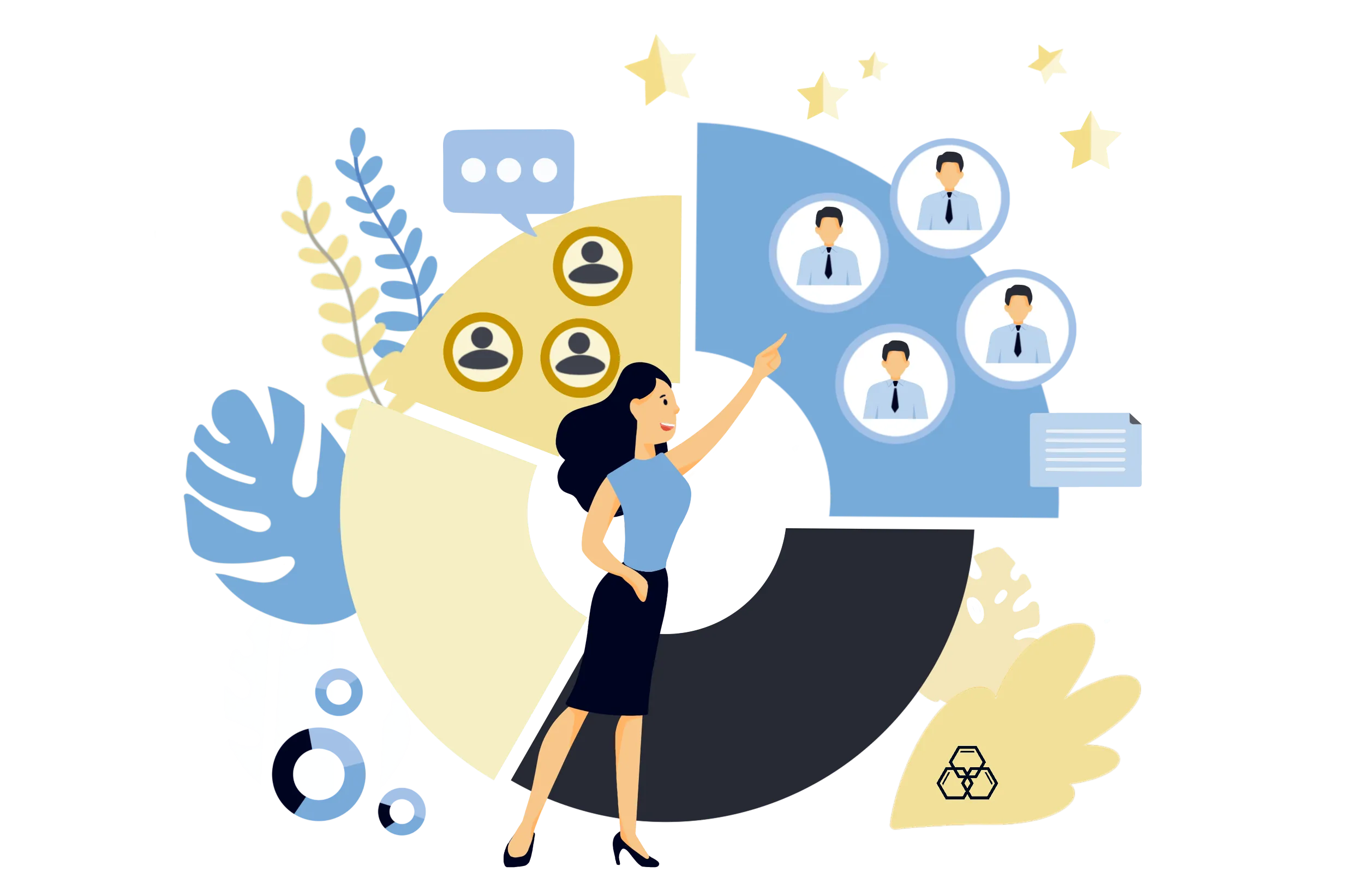
Step 1: Define Your Target Audience
Before you look for a single influencer, get specific about who you're trying to reach. Write down the job titles, seniority levels, industries, and company sizes that make up your ideal buyer. If you sell to mid-market SaaS companies, "marketing professionals" is too broad. "VPs of Marketing at 50 to 200-person SaaS companies" is useful.
This does not define your whole audience. It's about identifying the narrow slice of people whose trust actually influences your sales pipeline. Everything else in this process gets easier once this is clear.
Step 2: Find Influencers Your Buyers Already Follow
The best influencers for your brand are often the ones your buyers are already paying attention to. Spend time on LinkedIn looking at the activity of people who match your ideal customer profile. Who do they follow? Who shows up in their comment sections? Whose posts do they share or react to?
Build a list of 10 to 15 names that consistently appear in these spaces. Don't filter by follower count at this stage. Some of the most influential voices in niche B2B industries have audiences in the low thousands, but those audiences are made up almost entirely of the exact people you're trying to reach.
You can also look beyond LinkedIn for this research. Check who gets quoted in industry newsletters, who's invited onto relevant podcasts, and who shows up as a guest speaker at events your buyers attend.
Step 3: Vet Based on Relevance, Not Reach
Once you have your list, go through each name using criteria that actually matter for B2B, not vanity metrics. For each influencer, ask a few questions.
Is this person genuinely relevant to your industry, or do they just post about business in general terms? Who is actually engaging with their content, and does that audience match your target buyers? Does this person have real credibility, built through experience or results, or are they mostly known for being a content creator? Do their comment sections show substantive discussion, or mostly generic reactions? Does their tone and communication style align with how your brand wants to show up?
A 20 minute scan of someone's recent posts and comments will tell you more than any media kit or rate card. Narrow your list down to your top 3 to 5 candidates based on this review.
Step 4: Decide on a Format That Fits Your Budget and Goals
Influencer partnerships don't have to mean expensive sponsored campaigns. For small businesses and startups, several lower-cost formats can work just as well, sometimes better.
A co-authored content piece, like a joint LinkedIn post, article, or short video where you and the influencer share perspectives on a topic. A podcast or webinar appearance, where you invite the influencer to join a conversation you're already hosting and align the format with your influencer marketing campaign and content creation planning. A product walkthrough or review, where the influencer tries your product and shares honest feedback with their audience. An ongoing advisor or ambassador relationship, where an influencer regularly engages with your content or mentions your brand as part of a longer-term arrangement, rather than a one-off post.
Pick the format based on what feels natural for the relationship and realistic for your budget. A single thoughtful collaboration often outperforms a rushed, obviously paid promotion.

Step 5: Start Small and Make the Outreach Personal
Reach out to your top 1 or 2 candidates first. Small initial projects can help test compatibility before expanding the partnership. Skip generic templates. Before making an ask, engage authentically with their content by leaving thoughtful comments and referencing specific posts that resonated with you, explain why you think a collaboration offers mutual benefit for their audience too, not just for your brand, and be upfront about what you're proposing and what's in it for them.
Many B2B influencers, especially those with smaller, highly engaged audiences, are open to collaborations that feel genuine and mutually beneficial, and that early engagement helps build authentic relationships instead of making outreach feel transactional, even without a large budget attached.

Step 6: Prioritize Authentic Formats Over Polished Ads
Whatever format you choose, resist the urge to script everything. B2B audiences, especially the skeptical, experienced professionals you're trying to reach, can spot a paid placement dressed up as organic content from a mile away.
Let the influencer use their own voice. If they're reviewing your product, let them share real opinions, including minor critiques if relevant. Authenticity is what makes the endorsement carry weight in the first place. A slightly imperfect but genuine post will almost always outperform a polished but obviously scripted one.
Step 7: Track the Right Signals Over Time
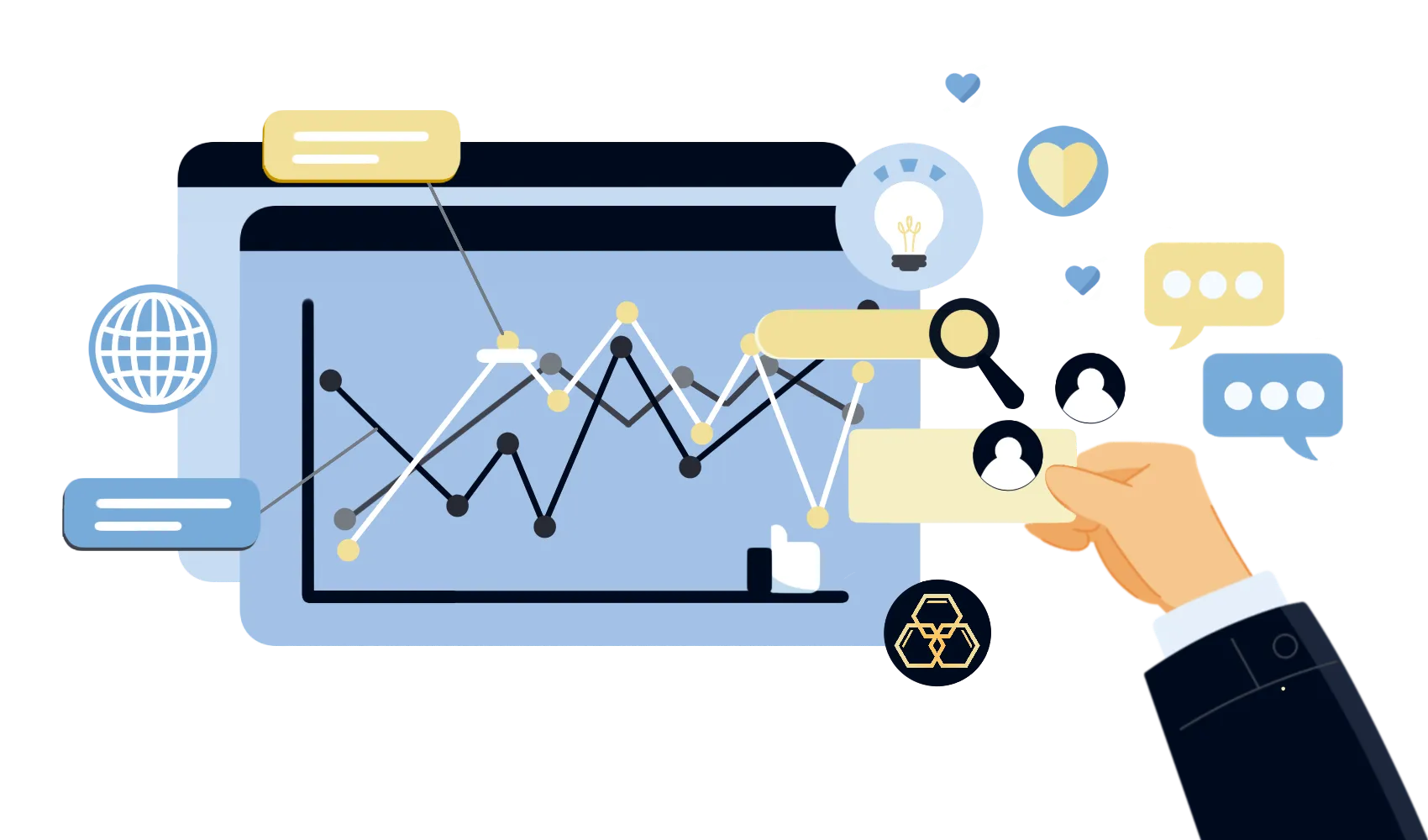
B2B sales cycles are long, often months, so don't expect immediate spikes in revenue, and expect 3-6 months for measurable brand-awareness gains. Instead, watch for important metrics like engagement rates, website traffic, lead generation, and revenue attribution to see whether the partnership is working.
Increased traffic to your LinkedIn page or website following a post. Inbound messages or connection requests referencing the influencer's content. New followers and content shares after a collaboration. Demo requests or sales conversations where prospects mention seeing your brand mentioned by someone they follow. Engagement on your own content increasing after a collaboration, as new audiences discover you.
Keep a simple log of these signals after each collaboration so you can see which partnerships and formats are generating the most traction over time and refine future campaigns. UTM parameters can also help connect influencer activity to revenue.

Step 8: Build the Relationship, Not Just the Transaction
The influencers who deliver the most value long-term are rarely the ones you pay for a single post and never speak to again; 56% of CMOs believe long-term influencer relationships optimize campaigns. They're the ones who genuinely understand your product and believe in what you're building.
Stay in touch after a collaboration ends. Engage with their content through regular posts or ongoing interactions on LinkedIn, share useful updates about your company, and look for natural opportunities to collaborate again. Over time, these authentic relationships compound. What starts with long term relationships instead of one-off collaborations can turn into a recurring source of credibility and warm introductions, the kind of trust infrastructure that's much harder to build through ads alone.
For a small team, the goal isn't to run a massive campaign with dozens of influencers. It's to find a handful of voices your buyers already trust, build genuine relationships with them, and earn a lasting place in the conversations your buyers are already having.
Final Thoughts
The shift is clear. In 2026, B2B influencer marketing isn't optional, it's how trust gets built and distributed. With 75% of B2B companies already on board, and LinkedIn rewarding individual voices over brand pages, the businesses that build genuine relationships with the right influencers are positioning themselves for credibility that ads alone can't buy.
But research, vetting, outreach, and ongoing relationship management all take time, time that small teams often need for product development instead. That's where a flexible, all-in-one subscription like Evolv comes in, covering your branding and marketing needs so you can focus on building your business.
Want to know how we do it? Ready to get started? Book a demo with Evolv will be your next best step
FAQs
Which platform is best known for B2B?
LinkedIn is widely regarded as the standout platform for B2B marketing and influencer activity. It's where professionals show up with their job titles, industries, and decision-making roles attached to their profiles, making conversations there carry more weight for B2B buyers than on platforms like X, YouTube, or TikTok.
What are examples of B2B marketing?
Common examples include content marketing (blog posts, whitepapers, case studies), email marketing campaigns, LinkedIn organic and paid content, webinars and podcasts, account-based marketing (ABM), trade shows and industry events, SEO and search marketing, and increasingly, influencer marketing and partnerships with industry voices.
What are the three types of B2B customers?
B2B customers are generally grouped into producers (companies that buy goods or services to use in making their own products), resellers (wholesalers or retailers who purchase to resell to others), and institutions or governments (organizations like hospitals, schools, or government agencies that purchase goods and services to support their operations).
How does influencer marketing benefit B2B brands?
It builds brand authority and brand credibility through trusted third-party voices rather than brand messaging alone, increases visibility in crowded spaces like LinkedIn, helps significantly shorten B2B sales cycles by establishing trust earlier in the buyer journey, provides access to niche, highly relevant audiences rather than broad general reach, and shows how influencer partnerships enhance brand credibility and trust while offering a cost-effective alternative to traditional advertising, especially valuable for small businesses and startups with limited marketing budgets.

Carl Undag

Evolv helps companies scale their brand without the headache of hiring full-time employees or unreliable freelancers. Our flat-rate monthly subscription gives you on-demand access to a dedicated creative team, letting you submit branding tasks with zero compromise on speed or talent.