Something broke in B2B marketing over the last few years. Buyers stopped listening.
Not to everything, just to brands. The polished case studies, the thought leadership LinkedIn carousels, the "we're excited to announce" press releases. Decision-makers have grown fluent in the language of corporate content, and they've learned to tune it out. Trust in brand-produced material is at a historic low, while trust in peer voices, real practitioners sharing real opinions, has never been higher.
This is exactly where micro-influencers come in.
In 2026, the market has caught up to what smart marketers figured out years ago. A striking 86% of marketers now work with micro-influencers, and B2B influencer marketing, as a category, is expanding at 15–20% annually, outpacing nearly every other channel. The question is no longer whether micro-influencers belong in your B2B strategy. It's whether you have a disciplined, ROI-driven framework to make them work.

Why Micro‑Influencer Marketing Dominate B2B in 2026
The mega influencer playbook was borrowed from B2C, and it never quite fit. A celebrity endorsement might move sneakers, but it won't convince a procurement director to switch ERP systems. B2B buying is slower, more rational, and built on trust earned over time, which is precisely why micro-influencers have become the dominant force in B2B marketing this year. Here's the key benefits:

Long‑Term Partnerships Over One‑Offs
The spray-and-pray era of influencer marketing campaigns is giving way to something far more powerful: sustained, embedded partnerships. When a respected supply chain analyst consistently references your platform over months, it stops looking like advertising and starts looking like endorsement.
Audiences notice the difference. Buyers remember it.
Long-term partnerships leverage influencers to develop genuine fluency with your product, so their content reflects real depth rather than a surface read of a briefing document.
They become advocates who can answer audience questions, defend your positioning, and show up in the conversations that matter. In a buying cycle that can stretch six to eighteen months, that consistency compounds.

Higher and Meaningful Engagement at Lower Cost
Reach is a vanity metric. In B2B, you need the right 5,000 people paying close attention, not 500,000 people scrolling past. Micro-influencers consistently outperform larger accounts on engagement rate, often by a significant margin, precisely because their audiences are self-selected communities built around a specific domain.
A DevOps creator with 40,000 followers draws a niche audience of people who want to hear about developer tools.
The economics reinforce the case. Leveraging Micro-influencers asks a fraction of the fee a macro-influencer or industry analyst have, yet the conversion-relevant attention they generate is often greater. For B2B marketers working with finite budgets and increasing pressure to demonstrate pipeline impact, this ratio matters enormously.
Trust as a Conversion Lever
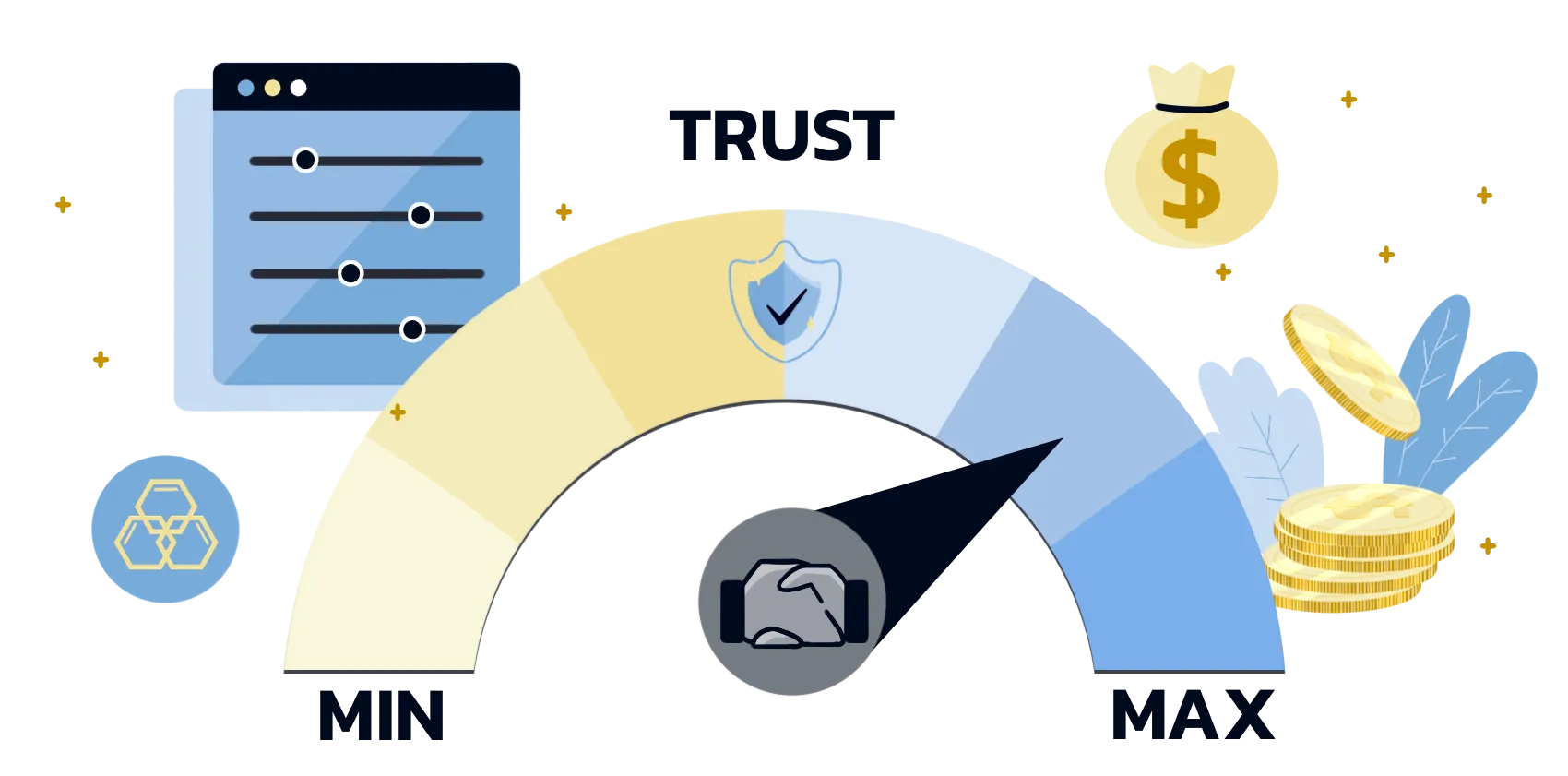
When a practitioner your buyers already follow vouches for a solution, it functions like a warm referral at scale. The audience isn't encountering your brand cold through a paid ad; they're hearing about it from someone whose judgment they've already decided to trust.
That distinction is the difference between a lead who needs seven more nurture emails and one who arrives at a sales conversation pre-sold on the category and already curious about your specific approach.

Finding, Vetting, and Scaling Micro‑Influencers
Knowing why micro-influencers work is one thing. Building a repeatable system to find the right ones and manage multiple micro-influencers within your bandwidth is where most B2B teams stall. Here's how to do it properly:

Scalable Discovery: How to Find the Right Voices
The temptation is to open LinkedIn, search for a few keywords, and call it a day. That works for finding influencers, but it doesn't work for finding the right nano influencers for your specific niche, target audience, and goals. Scalable discovery requires a more deliberate approach.
Start with your buyer, not the platform. Before you search, map out exactly who your ideal buyer follows, what content they engage with, and which communities they participate in. Your best micro-influencer prospects are already showing up in your buyer's feed; you just need to find them.
Use platform-native search with intent. LinkedIn remains the primary hunting ground for B2B micro-influencers, but don't stop there. Search relevant hashtags and topic threads on LinkedIn, X, and Substack. Look for active voices in niche Slack communities, Discord servers, and industry-specific forums.
The creators who show up consistently in these spaces , not just broadcasting, but genuinely participating , tend to have the authentic audience relationships that drive results.
Build a living database. Create a running list, a simple CRM, or a spreadsheet that works, where you log promising candidates, track their content cadence, and note what topics they cover.

The Vetting Process: A Quick Guide
A large following means nothing if the audience isn't the one you need, or if the creator's reputation doesn't hold up to scrutiny. Before committing time and budget, run every serious candidate through this checklist.
- Request audience demographics data, or use a tool that surfaces it, and verify that their followers match your ICP. A cybersecurity creator with 60,000 followers is worthless to you if 70% of that audience is students rather than security decision-makers.
- Scroll through recent posts and look at who is engaging, not just how many. Meaningful comments from identifiable professionals in your industry are the signal you want. Generic one-word reactions and suspiciously round follower counts are red flags worth investigating.
- Check for any content that could create reputational risk, and identify potential influencers whether their communication style and professional stance align with your brand. You're not looking for a mouthpiece, you're looking for a trusted voice.
Managing Your Influencer Campaign While Running a Business
Finding and vetting influencers is the front-end work. The harder, ongoing challenge for B2B brands is managing partnerships without making it a second full-time job.
- Create a lightweight campaign infrastructure. Before you activate anyone, build the scaffolding: a simple brief template, a content calendar, a shared folder for assets and approvals, and a single point of contact on your side. The more frictionless you make collaboration for the influencer, the better the output and the stronger the relationship.
- Brief for outcomes, not outputs. Resist the urge to over-script. Provide clear context, your audience, your key message, the problem your product solves, any hard guardrails, and then give the influencer room to speak in their own voice. Audiences can tell when content has been sanitized by a legal team. The creators you've chosen are trusted because of how they communicate; let them do it.
- Communicate consistently without micromanaging. A brief monthly check-in is usually sufficient for active partners, enough to share product updates, flag upcoming campaigns, and maintain the relationship, without turning every collaboration into a negotiation. Treat micro-influencers like the professional partners they are, and they'll operate accordingly.
- Track, review, and iterate by quarter. Every 90 days, review what's working and cut what isn't. Which creators are driving qualified engagement? Which pieces of content generated the most pipeline activity? Micro-influencer strategy compounds over time when you act on what the data tells you, and stalls when you set it and forget it.
If you're running a small business or an early-stage startup, managing influencer relationships on top of sales, product, and operations is genuinely hard, and doing it poorly is worse than not doing it at all. Hiring a specialist agency or a dedicated B2B influencer marketing expert is almost always the smarter call. The right team brings a pre-vetted creator network, established workflows, and the focused attention your partnerships need to actually perform. It frees you to stay in your lane while professionals work in theirs, which tends to produce better results for everyone involved.
Content Formats That Work in 2026
LinkedIn Native Posts and Carousels
LinkedIn remains the undisputed home of B2B influence, and native content, posts written directly on the platform rather than linking out, continues to outperform almost everything else in terms of organic reach and engagement.
Micro-influencers who write from genuine experience, share a contrarian take, or break down a complex process in plain language consistently attract the kind of comments and reshares that put your brand in front of warm, relevant audiences.
Carousels, in particular, have proven their staying power. A well-structured 8 to 10-slide breakdown of a problem your product solves, written and designed to educate first, promote second, and perform as both an awareness driver and a credibility signal.
Short-Form Video
Short-form video has completed its migration from B2C novelty to B2B necessity. LinkedIn video, YouTube Shorts, and, to a growing extent, TikTok's professional creator segment are producing some of the most engaged B2B content in the market right now. The format works because it's personal, a face, a voice, and a real opinion that lands differently than text on a screen.
For micro-influencers, short-form video is a natural fit. A two-minute walkthrough of how they use your tool in their actual workflow. A quick reaction to an industry trend that name-checks your product's relevance. A candid answer to a question their audience keeps asking. None of it requires production value; authenticity is the asset.

Long-Form Newsletters and Substack Features
The newsletter renaissance is very much alive in B2B, and the most valuable real estate in the format isn't the newsletter you send to your own list; it's a feature placement in the newsletter your buyers already read every week. Niche B2B newsletters have become some of the most trusted channels, precisely because subscribers opted in for their depth.
A micro-influencer with a well-read Substack or LinkedIn newsletter in your category can deliver your message to an audience that has already self-selected around a topic your product serves.
Podcasts and Audio Mentions
Podcast audiences in B2B are small by consumer standards and enormous by intent standards. A niche industry podcast pulling 8,000 listeners per episode is likely reaching a significant slice of the decision-makers in that vertical, and they're listening, often during commutes or focused work sessions, with a level of attention that no scroll-past format can match.
Micro-influencers who host or regularly appear on relevant podcasts offer a format that builds trust over the course of a conversation rather than a single impression.
A 20-minute episode where a host walks through their experience with your product, contextualizing it, being honest about its limitations, and explaining why it fits their workflow, is one of the most credible pieces of content your brand can be attached to.
Honest Reviews and Comparison Content
A micro-influencer willing to say "I tried both, here's what I found, here's why I landed where I did" is providing exactly the kind of content that turns a researching buyer into a qualified lead.
Moreso if they make a candid, detailed review of your product, including what it doesn't do well. This sounds counterintuitive, but when buyers research a solution, they're actually looking not for a brand telling them it's great, but for the truth.
Reviews that acknowledge limitations while making a clear net-positive case for a product are consistently more persuasive than uncritical endorsements. Comparison content: your product, measured against alternatives by someone with real experience of both, performs even better, particularly for buyers who are actively evaluating vendors.

Ready to Scale your Marketing Efforts sans the Budget it Entails?
The 2026 opportunity is real, and it's measurable: it belongs to the brands that approach it with structure. It's those with a vetted roster of genuinely creators, ambassador relationships built for compounding returns, content formats matched to the buyer journey, and the discipline to avoid the pitfalls.
This isn't social influencer marketing as a trend to experiment with. It's a strategic channel to build, invest in, and scale, and the window to get ahead of competitors who haven't figured that out yet is still open, but it won't be for long.
Ready to Build Your B2B Micro‑Influencer Marketing Strategy?
Whether you're starting from scratch or looking to turn a scattered influencer effort into a structured one, reaching out to us is your next step!

Frequently Asked Questions
What counts as a micro‑influencer in B2B?
A B2B micro-influencer is a creator or expert with 10,000 to 100,000 followers in a specific niche. Unlike in B2C, where follower count matters more, B2B micro-influencers are valued for the quality of their audience and domain expertise. This includes independent analysts, industry experts, niche operators, and specialists who have engaged followings within a defined professional audience. For example, a cybersecurity researcher with 18,000 focused followers is more valuable than a generic business creator with a larger but less relevant audience.
Which platforms work best for B2B micro‑influencers in 2026?
LinkedIn dominates B2B micro-influencer activity, providing the best reach to create content and the highest concentration of decision-makers. In 2026, other effective platforms include Substack and email newsletters for long-form content, YouTube for product walkthroughs and educational videos, podcasting for sustained audience engagement, and X for real-time commentary. The choice of platforms should be based on where your ideal customer profile focuses their attention, making buyer research essential before platform selection.
How much should a B2B micro‑influencer campaign cost?
Costs for B2B micro-influencer partnerships vary widely based on niche and creator experience, typically ranging from $500 to $10,000 per campaign. Long-term ambassador arrangements typically range from $1,500 to $8,000 per month, depending on deliverables and exclusivity. Highly specialized creators in competitive sectors often charge higher rates. Even premium micro-influencer costs generally provide better cost-per-qualified-engagement compared to paid search or content syndication. It's important to budget for long-term relationships, as the economics improve over time.
How do I prove ROI to leadership?
To demonstrate ROI to leadership, start by establishing the right measurement infrastructure before launching your campaign. This includes using UTM-tagged links, dedicated landing pages, and CRM contact tagging for those who engage with influencer content. Collaborate with your sales team to identify pipeline sources influenced by the program. Key metrics to focus on are pipeline influenced, cost per qualified lead, demo requests from influencer touchpoints, and closed revenue from these contacts. While engagement metrics are helpful, they shouldn't take precedence. For pilot campaigns, set conservative benchmarks, document everything, and use the data to advocate for scaling. Clean attribution is more persuasive than large, untraceable numbers.

Carl Undag

Evolv helps companies scale their brand without the headache of hiring full-time employees or unreliable freelancers. Our flat-rate monthly subscription gives you on-demand access to a dedicated creative team, letting you submit branding tasks with zero compromise on speed or talent.